|
  usic pumps. Fans scream. Wrestlers growl. Grandmas, 30-year-old men, children, and muscle-bound teens come together to jockey for a position in line to meet their favorite wrestling superstars. Welcome to the 2006 WrestleMania Fan Axxess Tour, held in 12 cities across the United States, where 120,000 fans met World Wrestling Entertainment Inc. (WWE), legends such as Hillbilly Jim, Mean Gene, and Nitro; ogled pro-wrestling memorabilia; and reveled in all things WWE.
WWE is a sophisticated media firm that produces 300 live-entertainment events, television programs, pay-per-view programming, a popular Web site that attracts 15 million people a month, magazines, and even feature films. The Fan Axxess Tour, which WWE calls the Road to WrestleMania, is the biggest event in the company’s considerable entertainment empire.
In 2002, company management decided that instead of expecting customers to come to them, they should reach out. “We want to go where our fans are in a relevant way,” says marketing vice president Monty Ross. “We saw that there was not only a way to use mobile marketing to enhance our other services, but to deepen the relationship with the customer.”
The marketing team devised the Fan Axxess Tour as a way to build excitement in the three months leading up to WrestleMania, the pro-wrestling national championship and WWE’s premier annual pay-per-view event. It also wanted to use the tour to help sponsors reach their business objectives while cross promoting its large portfolio of products and causes.
SOMETHING FOR EVERYONE
Throughout the tour, WWE not only hoped to reel in diehard fans, but to attract new audience members and expand the business. Since the first tour in 2003, the event has evolved into a 4,000-square-foot extravaganza, full of interactive activities.
“We generally program the elements toward the lowest common denominator,” Ross explains. For example, “if you rank fans from one — a non-fan — to 10 — an ardent fan, then we program for a four level.”
 Each stop on the tour included the following primary activities: Each stop on the tour included the following primary activities:
 Extreme Exposure: Fan photos were superimposed on the cover of WWE Magazine. The images were posted to www.wwe.com, where fans could retrieve them after the event. Extreme Exposure: Fan photos were superimposed on the cover of WWE Magazine. The images were posted to www.wwe.com, where fans could retrieve them after the event.
SmackDown Call-A-Match: Attendees called the shots of a previously taped classic wrestling match and brought home a DVD of the experience, which also included a 30-second advertisement for the National Guard, the event’s co-sponsor.
Axxess Power Challenge: Attendees took on an arm-wrestling machine.
USA Raw Showdown Trivia Challenge: A trivia contest, sponsored by USA Network, pitted fans against each other. The victor walked away with a replica wrestling championship belt. In addition to answering questions, there was a display associated with every trivia contest, such as a plaster cast of a famous wrestler’s hand, so a visitor could compare the size of his hands with those of the pros.
SmackDown vs. Raw 2007 Video Arcade: Presented by THQ, a creator of WWE-branded video games, attendees competed in a gaming tournament while large plasma screens displayed the results of each match.
Free Airbrush Tattoos: Attendees branded themselves with WWE icons.
Core of the Tour: Three-sided kiosks showcased a merchandise-auction site, mobile products, and WWE 24/7, a new on-demand video service. Fans downloaded cell-phone ring tones and wallpaper available only at the event.
The Locker Room of Champions: A collection of WWE memorabilia was on display for attendees to see.
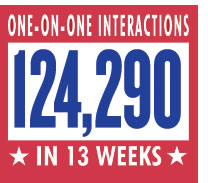
Autographs: WWE talent — dubbed “superstars” by the company — came in for scheduled visits and autograph sessions with fans, creating goodwill and allowing a level of interactivity that is not possible during the company’s live entertainment events and television shows.
Each of these attractions was set around a center ring, where well-known former wrestlers acted as masters of ceremonies for talent appearances, trivia contests, and other activities.
Big Numbers, Big Need
Fan Axxess crowds typically reached 2,000 to 3,000 attendees. At a few marquee stops, the attendance swelled to as many as 10,000. In such places, the company rented additional activities, such as bungee jumping and inflatable sumo wrestling.
This crowd size and diversity was another reason for the variety of activities, because even though the target audience is the 18- to 34-year old demographic, the events attracted all ages. “Our demographic is so vast,” says Lou D’Angeli, director of promotions and event marketing for WWE. “A lot of parents, a lot of kids, a lot
of grandparents. Everybody has a hot button and it’s a challenge to us how to reach each person.”
Management now chooses activities to reinforce different aspects of WWE’s business, affiliates, and brands. The SmackDown vs. Raw challenge, for example, demonstrates the licensed video games and markets their namesake weekly television shows, which run on different networks. The trivia contest is co-branded with WWE affiliate USA Network. Extreme Exposure pushes the WWE magazine and was sponsored by the Sci-Fi channel, which runs the newest of WWE’s wrestling leagues: Extreme Championship Wrestling (ECW).
Co-op Promotion
Given that the entire budget for the 2006 tour was only $840,000, there wasn’t much left for tour promotion. But WWE never needed to dip into the advertising fund. Instead, it bartered merchandise and emphasized the opportunity for local media to be the “exclusive partner” for the event in a given area. Local network and cable affiliates would run promotional spots, underwritten by third parties. WWE typically supplied a 30-second spot — 22 seconds about the tour and eight seconds for the sponsor.
WWE also supplied superstars for on-air exclusives. For example, Jimmy Hart, one of the tour hosts who was in the original WrestleMania, usually flew to the event venue early for media promotion. “We fly in usually on a Thursday night,” Hart says. “First thing I do Friday is morning radio at 6:30. Then we’re up all day until early evening promoting the Fan Axxess Tour.” Then on Saturday it’s over to the local mall or other venue for the event that will take place from noon until 9 p.m. and on Sunday from noon to 7 p.m. WWE estimates that the tour generated $1.5 million in media and promotional value.
Tour Evolution
The Fan Axxess Tour has been an unabashed success for WWE, but not one that came overnight. The original version of the tour in 2003 was fairly bare bones, it was essentially a talent appearance at malls with a couple of activities thrown in. “We’d get two, three hundred people lining up for a very limited experience,” Ross says.
Even with extensive experience producing arena shows for audiences of thousands, developing the traveling event into the winning vehicle it is today took time. For example, WWE has enhanced Fan Axxess by dropping low-quality activities, such as photo opportunities with cardboard cut-outs of a wrestler, says Donna Corrado, account director at LeadDog Marketing Group Inc., which started producing the tour in 2005.
One growing emphasis has been on integrating technology into the activities, to broaden the reach toward a younger, more tech-savvy demographic, “and to show that WWE is at the forefront of technology, ahead of the curve, and relevant and hip,” Corrado says.
In 2005, WWE tested a tech-driven activity in which a fan could be superimposed over the referee during a classic wrestling match for the final countdown. But that meant dressing each attendee in a referee’s shirt and working with green-screen technology in a booth, which was a challenge — not to mention time consuming — for each visitor experience. The experience was compelling for visitors, and eventually evolved into the SmackDown Call-A-Match activity that is now done in the open so others can see it in real time.
It was during the last two years that WWE, working with LeadDog, chose to focus all activities on specific business objectives, working to benefit its own brands and those if its co-sponsors.
Still, some challenges are subtle and have proven difficult to solve. At the marquee stops, for instance, the sheer number of people reduces the experience each individual gets. “We’re analyzing the flow of the elements so people can circulate and avoid bottlenecks,” Ross says. WWE is also trying to devise new activities, such as having the emcee interview attendees waiting in line to keep them entertained.
A Winning Event
In true WWE style, the company not only pinned down its objectives, it annihilated them with its 2006 tour. Traffic at the events hit 237,750 in 2006, a 91 percent increase over 2005. “People now are starting to look for Fan Axxess before WrestleMania,” Ross says — a significant development, because WrestleMania has become the premier event for the company throughout its 24-year history.
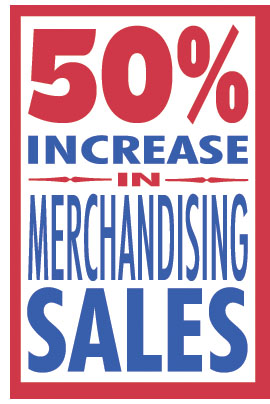
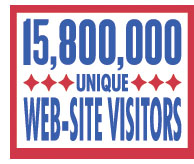
In March, two months after the tour began, pay-per-view buys exceeded WWE’s goal of 1 million by 20,000, and ratings for the Raw and SmackDown television series were up 10 percent. Unique Web visits reached an all-time high of 15.8 million, and the WWE Shop reached record sales in March, with a 40 percent average increase in WWE retail sales at tour locations. WrestleMania tickets sold out at Allstate Arena in Chicago in less than two minutes, breaking a venue record, and the WrestleMania 22 DVD sold 350,000 units, making it the most successful release ever.
Because of the event’s increased success, WWE plans to continue to evolve and grow the fan access tour as an integral part of its franchise, with even more interactive events, larger-than-life superstars, and general mayhem. When you’re WWE, there’s no such thing as too big, too over-the-top, or too raw. e
|


